
In "Trucking Liability in The Bronx," we explore unique challenges faced by truck operators navigating dense urban environment, increasing legal exposure and risk of severe injuries. Strict regulations on maintenance, driver training, and load securing are key determinants of liability. By examining cases specific to The Bronx, professionals can optimize safety and minimize financial exposure. Recent accidents underscore the critical need for safer medical transportation practices, leading to increased scrutiny and calls for stricter protocols. Proactive risk management strategies, including enhanced communication, regular training, and technology integration, are vital to mitigate trucking liability risks in this bustling metropolis.
“In the bustling metropolis of New York City, particularly within Manhattan’s healthcare landscape, medical malpractice cases hold significant weight. This comprehensive guide delves into the intricate world of trucking liability in The Bronx, a key factor contributing to medical incidents with far-reaching consequences. Understanding these cases requires exploring key factors driving lawsuits and navigating legal proceedings for victims. Through case studies focusing on notable trucking accidents, we uncover their impact on Manhattan’s healthcare system and present prevention strategies to mitigate errors in trucking operations.”
- Understanding Medical Malpractice Cases in Manhattan: A Comprehensive Overview
- The Role of Trucking Liability in Bronx-Based Medical Incidents
- Key Factors Contributing to Medical Malpractice Suits in the City
- Navigating Legal Proceedings for Victims of Medical Negligence
- Case Studies: Notable Trucking Accidents and Their Impact on Manhattan's Healthcare
- Prevention and Mitigation Strategies for Medical Errors in Trucking Operations
Understanding Medical Malpractice Cases in Manhattan: A Comprehensive Overview

The Role of Trucking Liability in Bronx-Based Medical Incidents
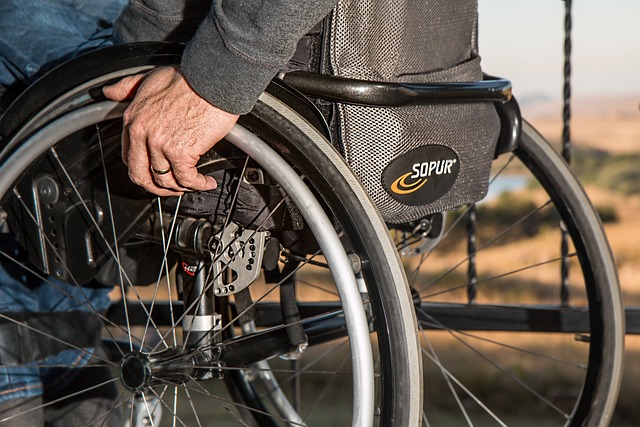
In many medical malpractice cases in Manhattan, including those rooted in the Bronx, trucking liability plays a significant role. The Bronx, with its dense urban landscape and frequent traffic, often sees interactions between vehicles, especially trucks carrying medical supplies or equipment, and pedestrians or other vehicles. These incidents can lead to severe injuries that may result in legal action against the trucking company or driver if negligence is proven. Trucking companies have strict regulations to adhere to, including maintenance checks, driver training, and load securing practices, all of which are crucial aspects in determining liability.
When a medical incident occurs due to a truck’s involvement, investigating these factors becomes essential. Negligence claims often arise from unsafe loading practices, driver fatigue, or failure to maintain proper equipment. Understanding the dynamics between trucking operations and urban environments in the Bronx is critical for both legal professionals and individuals seeking justice in medical malpractice cases.
Key Factors Contributing to Medical Malpractice Suits in the City

Navigating Legal Proceedings for Victims of Medical Negligence
Case Studies: Notable Trucking Accidents and Their Impact on Manhattan's Healthcare

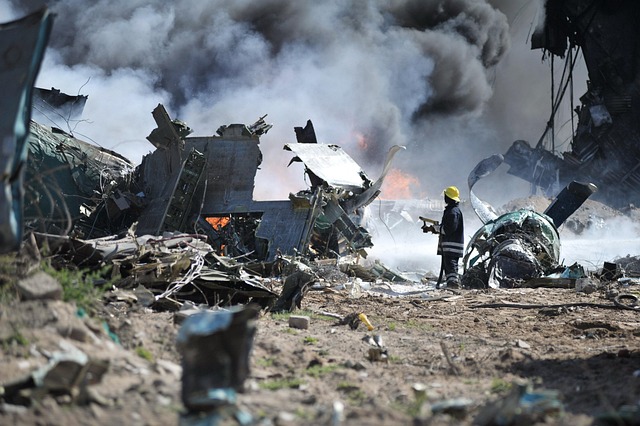
In recent years, several notable trucking accidents in Manhattan and its surrounding areas, such as The Bronx, have brought attention to the pressing issue of medical malpractice related to transportation safety. These incidents highlight the significant impact that commercial vehicle collisions can have on healthcare infrastructure and patient outcomes. For instance, a 2022 crash involving a tractor-trailer and an emergency ambulance in The Bronx resulted in severe damage to both vehicles and injuries to several healthcare workers inside the ambulance. This event underscored the urgency for improved safety measures and training for drivers operating within urban areas, especially those transporting medical personnel and equipment.
The consequences of such accidents extend beyond immediate physical harm; they can disrupt critical healthcare services, leading to potential delays in patient care and treatment. As these cases gain prominence, increased scrutiny is placed on trucking liability, prompting regulatory bodies and legal professionals to advocate for stricter safety protocols and enhanced driver accountability. This growing awareness is pivotal in shaping the future of medical transportation and ensuring safer roads for emergency responders and citizens alike.
Prevention and Mitigation Strategies for Medical Errors in Trucking Operations
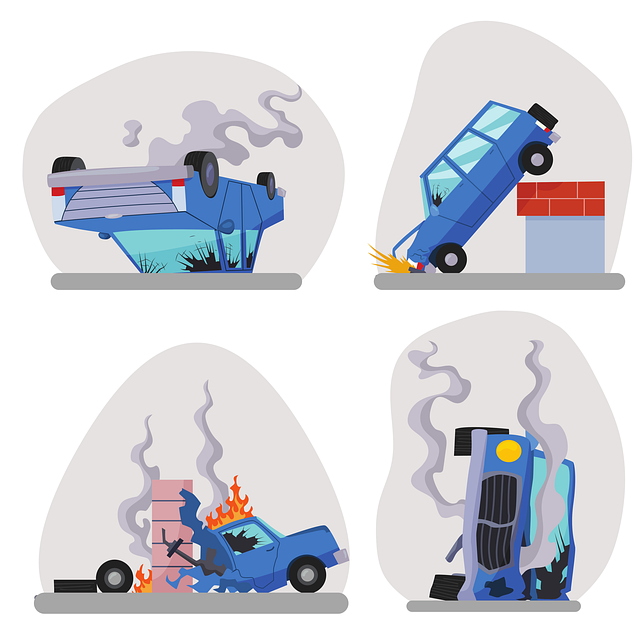
In the context of trucking operations, preventing and mitigating medical errors is paramount due to the unique risks associated with the industry. One key strategy involves enhancing communication between drivers and medical professionals, especially when dealing with pre-existing conditions or medication regimens. Regular training sessions on recognizing and reporting symptoms can help truckers ensure their health doesn’t compromise safety on the road, thereby reducing potential liability in The Bronx.
Additionally, leveraging technology plays a significant role. Telemedicine solutions enable quick consultations without distracting drivers from their duties. Advanced medical monitoring devices can detect anomalies and alert drivers to seek immediate care. By implementing these measures, trucking companies in Manhattan can foster a culture of proactive health management, thereby minimizing the risk of medical errors that could lead to costly lawsuits related to trucking liability.
Medical malpractice cases in Manhattan, often involving trucking liability in The Bronx, underscore the complex interplay between healthcare, transportation, and legal proceedings. Understanding key factors contributing to these suits is crucial for preventing medical errors in trucking operations. By navigating legal complexities and implementing mitigation strategies, victims of medical negligence can receive the justice they deserve while fostering a safer healthcare landscape in Manhattan and beyond.